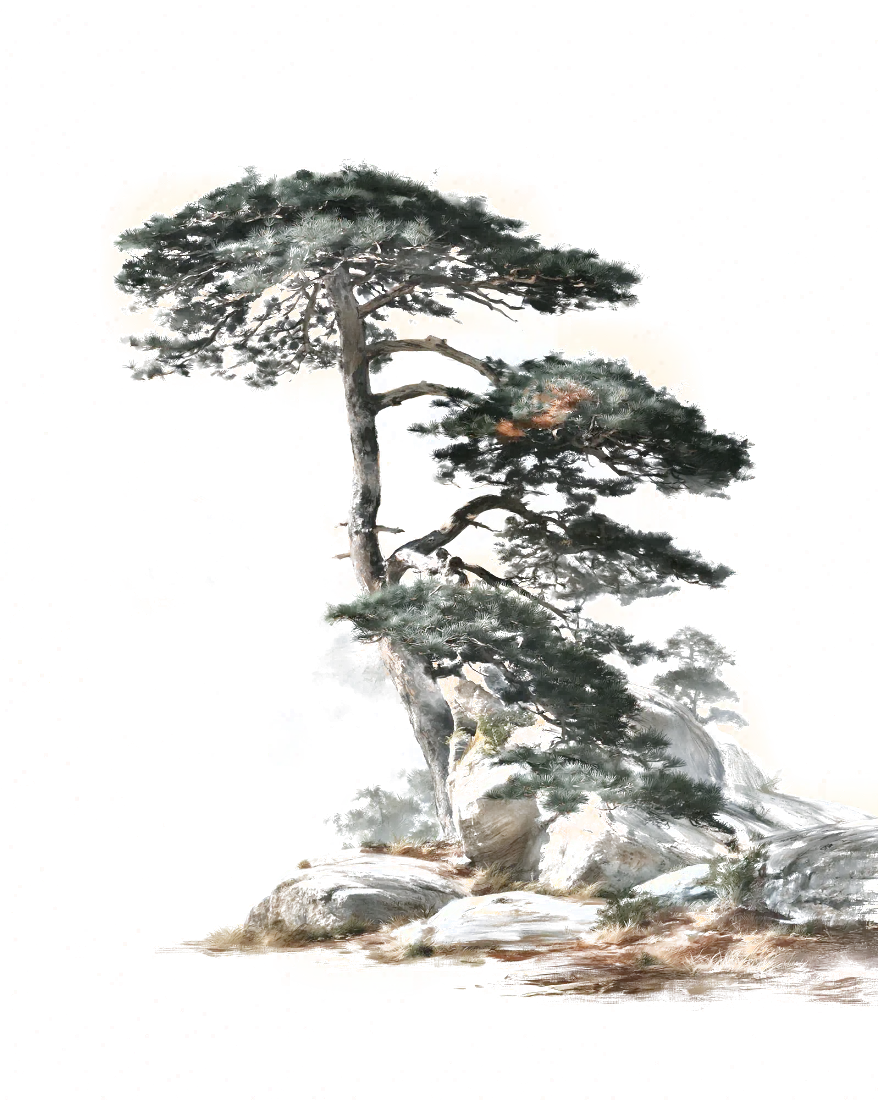
Chinese zodiac animals
The animal most people know comes from the birth year. A full chart has an animal for the month, day and hour as well.
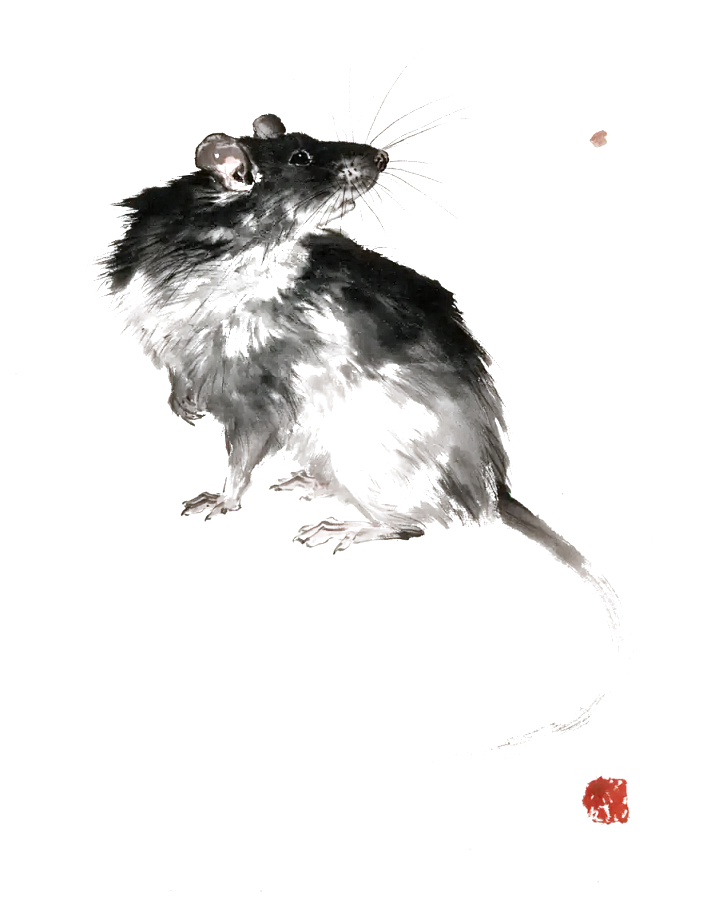 Rat鼠
 Ox牛
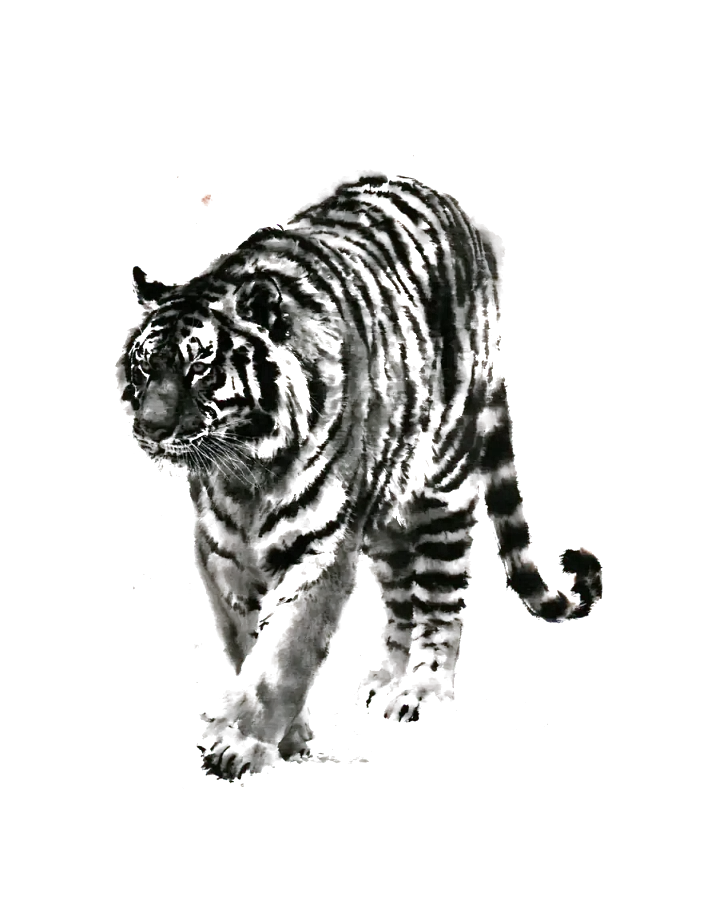 Tiger虎
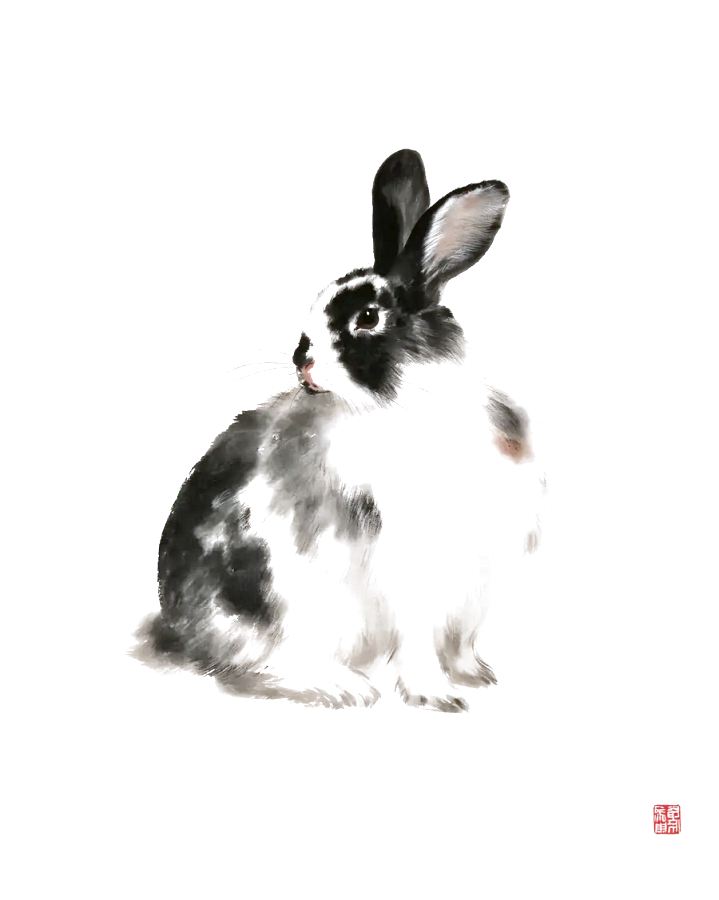 Rabbit兔
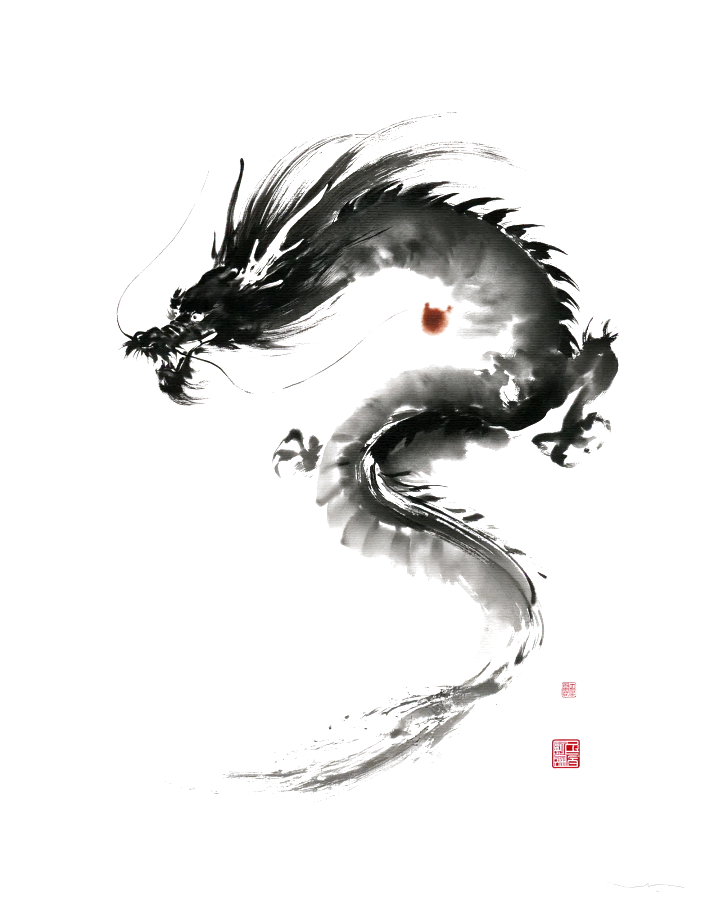 Dragon龍
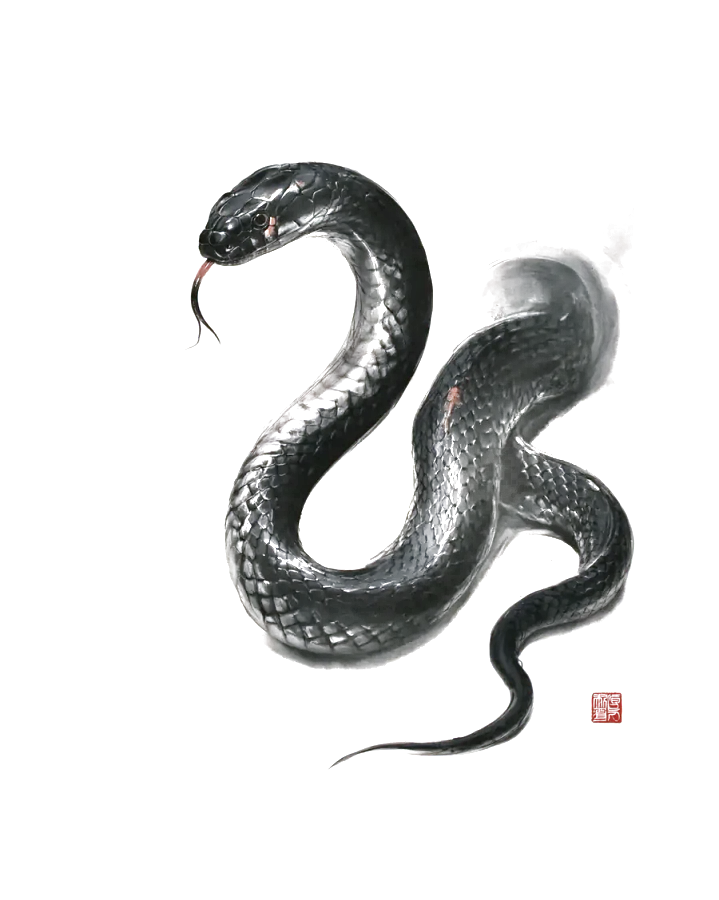 Snake蛇
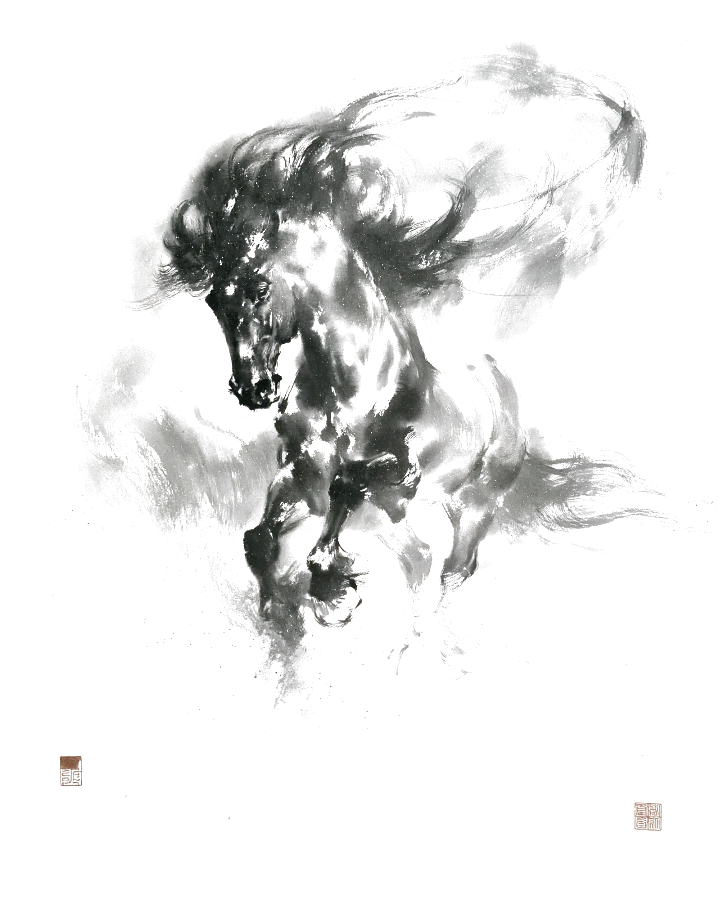 Horse馬
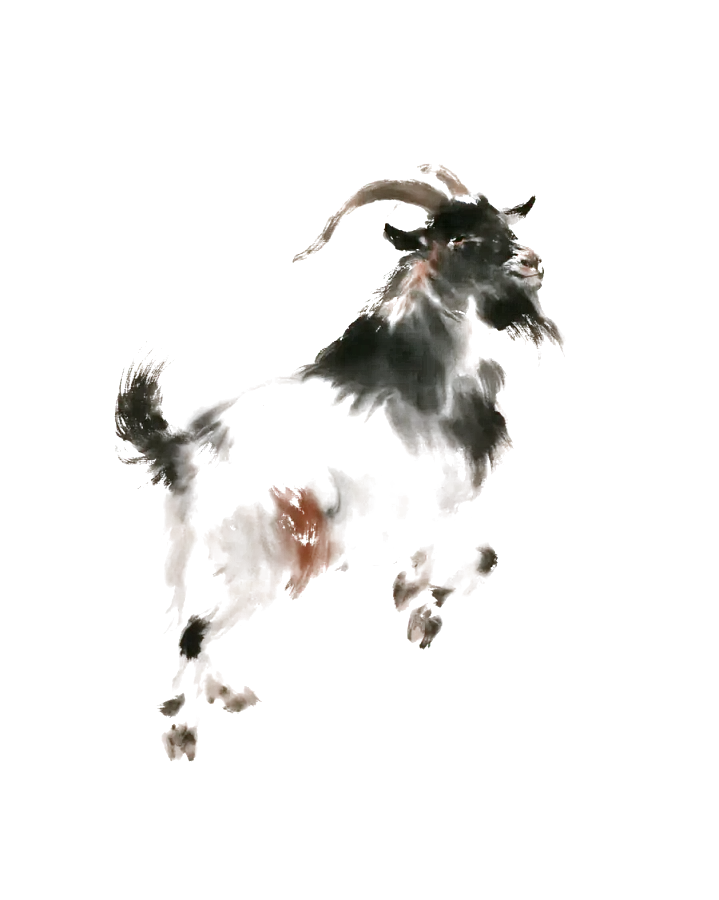 Goat羊
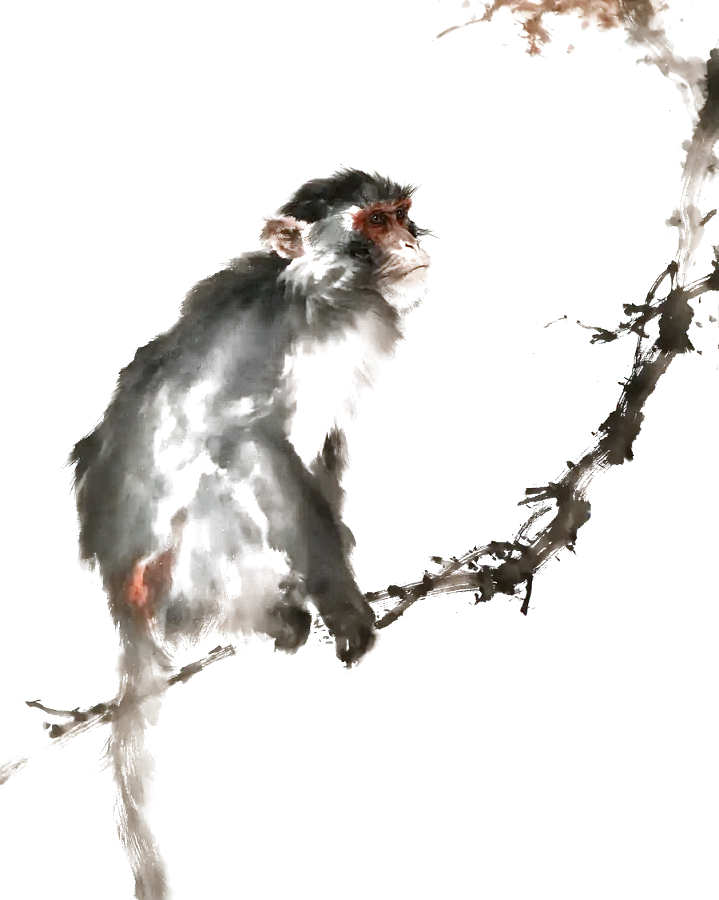 Monkey猴
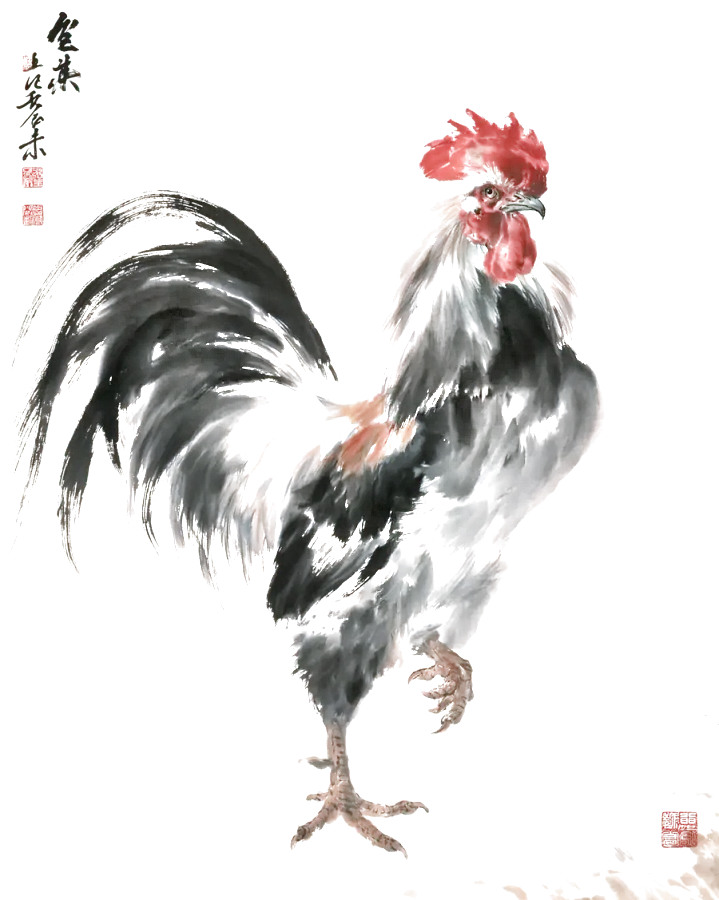 Rooster雞
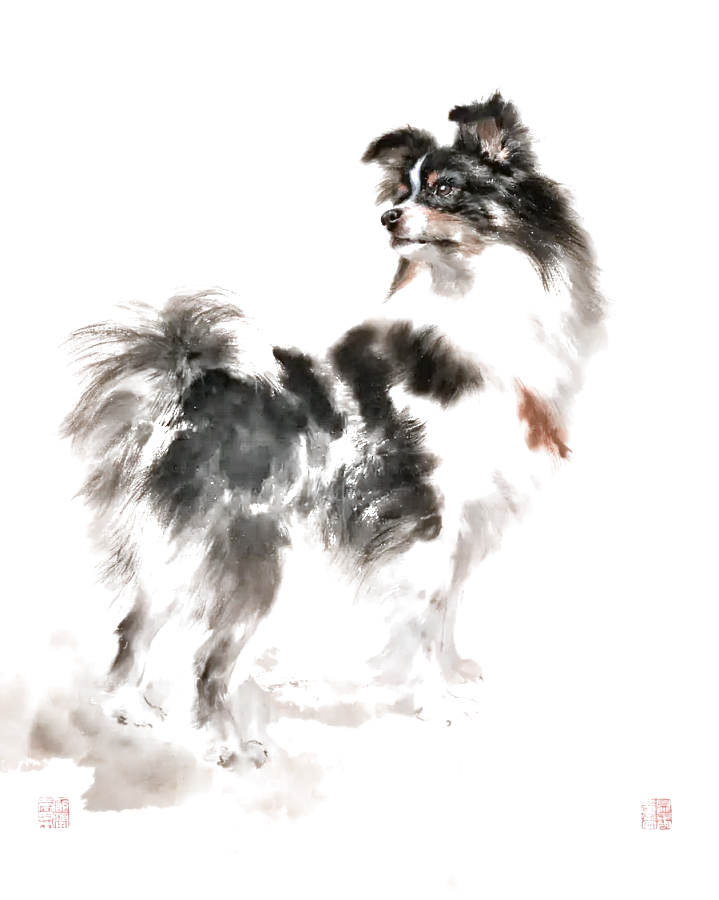 Dog狗
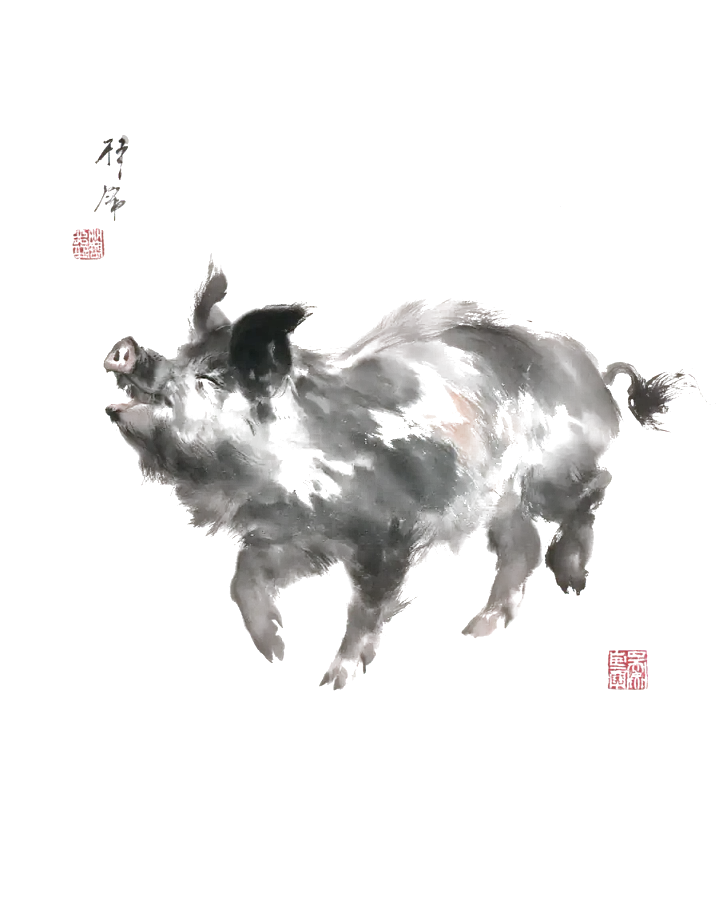 Pig豬
Twelve branches, twelve animals
The twelve animals are popular names for the earthly branches 地支 (dì zhī), twelve signs used to count time. Rat is the first, then Ox, Tiger, Rabbit, Dragon and Snake.
Horse, Goat, Monkey, Rooster, Dog and Pig complete the set. The branches count years, months, days and two-hour blocks.
So a birth moment has four animals. They are the bottom signs of the four pillars in a Bazi chart.
Four animals, four places
The month animal sets the season, which makes it the strongest branch in most readings. The day animal sits beneath the Day Master and is read for close relationships.
Year animal descriptions put everyone born in one year into a single group. A school class is often made of only two year animals, yet the people in it are very different.
| Animal | Comes from | Traditional place |
|---|---|---|
| Year animal | The solar year of birth | Ancestors, background and first impressions |
| Month animal | The solar month | Season, parents and work |
| Day animal | The sixty-day cycle | Partner and private life |
| Hour animal | The two-hour block | Children, projects and later plans |
Element and year
Each animal is paired with a stem, which adds an element. This is why a year may be called Fire Horse or Earth Monkey.
Ten stems and twelve animals give sixty pairs. The same animal returns every twelve years, but the same pair returns after sixty. Fire Goat years include 1967 and 2027.
When the year changes
Many calendars say that the animal changes at Chinese New Year 春节 (chūn jié). That festival follows the Moon and falls between late January and late February.
Bazi uses Start of Spring 立春 (lì chūn). It is a solar moment that comes around 4 February, when the Sun reaches a fixed point in its yearly path.
The exact date can be 3, 4 or 5 February, depending on the year and the place. The time matters too. A baby born in the morning and another born that evening may have different year pillars.
Lunar new year fell on 5 February in 2000. In other years, the gap between the two dates is several weeks.
| Birth date | By Start of Spring | By lunar new year |
|---|---|---|
| 1 February 2000 | Earth Rabbit | Earth Rabbit |
| 4 February 2000, morning in China | Earth Rabbit | Earth Rabbit |
| 4 February 2000, 21:00 in China | Metal Dragon | Earth Rabbit |
| 6 February 2000 | Metal Dragon | Metal Dragon |
Which rule is right
Both rules are used. Public celebrations, shops and family traditions follow the lunar new year. Bazi readers generally follow Start of Spring.
Zi Wei Dou Shu often uses the lunar new year for its year. One person born between the two dates may be a Tiger in Bazi and an Ox in Zi Wei.
The app uses the rule that belongs to each system and explains it in the calculation panel.
Animals that meet
Animals form groups. There are teams of three, such as Monkey, Rat and Dragon. There are pairs, such as Rat and Ox. Opposite animals, such as Rat and Horse, clash.
Popular matching compares only year animals. A fuller comparison looks at all four, with special attention to the day animal.
A clash does not make a bad match. Tradition reads it as movement and strong reactions, and other parts of two charts may join well.
Reading past the animal
Animals are easy to remember, which explains their fame. The branches beneath them carry element, season, direction and hidden stems.
In a Bazi reading, a Rat is mainly midwinter water. A Horse is mainly midsummer fire. Those facts lead to more of the reading than any story about the animal's manners.